
Flooring Installation Palm Beach County Guide
Published:
Plan flooring installation in Palm Beach County with materials, preparation, and craftsmanship suited to coastal homes, condominiums, and busy households.
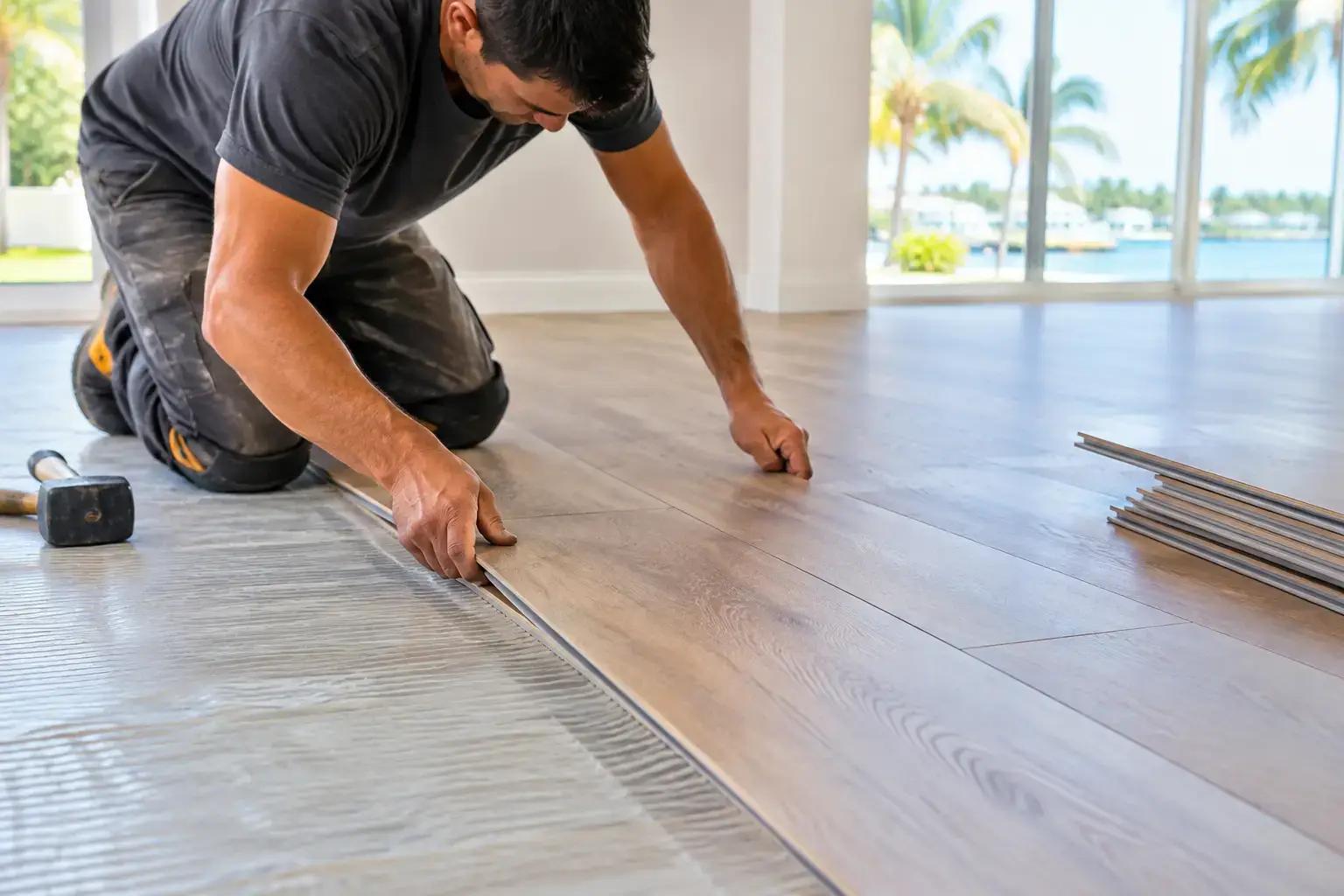
A beautiful floor can make an older kitchen feel composed, give a primary suite a quieter presence, or bring continuity to a whole-home renovation. But flooring installation in Palm Beach County asks more of a project than choosing a color sample. Humidity, coastal air, concrete slabs, condominium requirements, and the way each room is used all influence which material will look right and perform well over time.
For homeowners investing in a refined interior, flooring should be considered early in the design process. It affects cabinetry heights, transitions into bathrooms, baseboards, door clearances, furniture placement, and the overall visual balance of the home. A floor is not simply a finish underfoot. It is one of the largest surfaces in the room, and careful planning makes the difference between a result that feels intentional and one that feels added on.
Choosing Flooring for Palm Beach County Homes
The right flooring material depends on the home, the room, and the expectations for daily use. A family residence in Wellington may need a durable surface that handles pets, children, and regular entertaining. A Boca Raton condominium may call for a sophisticated finish with strict sound-control requirements. A coastal home may need materials and installation methods selected with changing humidity in mind.
Porcelain tile remains a strong choice for many Florida homes. It is durable, easy to maintain, and available in convincing stone, concrete, and wood-look finishes. Large-format porcelain can create a clean, expansive appearance in open living areas, while natural stone-look options bring more texture and variation. Tile does require thoughtful layout and properly prepared substrate work. Uneven surfaces, poorly planned grout joints, or awkward cuts at walls can distract from even the most refined material.
Luxury vinyl plank is practical in bedrooms, living spaces, and active households where water resistance and easier maintenance are priorities. It can provide the warmth of a wood appearance without some of the maintenance considerations associated with natural hardwood. Quality varies considerably, however. The visual detail, wear layer, core construction, and installation system all matter. A lower-grade product may look acceptable at first but show gaps, movement, or surface wear sooner than expected.
Engineered wood offers a more natural, elevated look for homeowners who want the character of real wood. It is often better suited to Florida conditions than solid hardwood, but it is not a universal answer. The subfloor must be evaluated, indoor conditions should be managed, and the product must be appropriate for the intended installation method. In a kitchen, entry, or home with frequent wet feet and pets, tile or vinyl may offer more peace of mind.
Natural stone can be exceptional in the right setting, particularly for a classic or tailored interior. It also calls for a realistic approach to maintenance. Many stones require sealing and can be more sensitive to staining, etching, or surface variation than porcelain. That is not necessarily a disadvantage. It is simply part of choosing a material for its authentic qualities rather than expecting it to behave like a manufactured surface.
Why Preparation Defines Flooring Installation in Palm Beach County
Most flooring problems do not begin with the visible surface. They begin below it. Proper flooring installation in Palm Beach County starts with measurements, moisture considerations, and a close review of the existing substrate.
Many local homes are built on concrete slabs. Before new flooring is installed, the surface should be assessed for flatness, cracks, adhesive residue, moisture conditions, and areas that may require leveling. Flooring materials have different tolerances. A large-format tile, for example, needs a flatter surface than many homeowners realize. Without the right preparation, tile edges can sit unevenly, grout lines can become inconsistent, and the finished floor may not have the clean appearance the homeowner expected.
Removing existing flooring is also more involved than it may appear. Old tile demolition can expose uneven areas or leftover thinset. Carpet removal may reveal adhesive or damaged concrete. When replacing flooring as part of a kitchen or bathroom renovation, the team must also coordinate the sequence of cabinetry, plumbing fixtures, appliances, and wall finishes. Installing a new floor without considering these details can create avoidable transitions and additional work later.
Moisture testing matters, particularly with wood-based products and certain adhesives. A floor may look dry on the surface while still carrying moisture that could affect the installation. The right preparation is not glamorous, but it protects the investment in the material above it.
Transitions, Heights, and Finishing Details
The finishing details are where a coordinated project shows its value. A new floor changes elevations throughout the home. Door jambs may need to be trimmed, doors may require adjustment, and transitions between tile, wood, vinyl, or carpet must be planned so they are safe and visually discreet.
Baseboards deserve attention as well. Some projects keep and reinstall existing baseboards, while others use the flooring project as an opportunity to upgrade to taller profiles or a more tailored finish. In either case, clean wall lines, carefully filled joints, and matching touch-up paint contribute to a finished result. These are small decisions individually, but together they determine whether the work feels polished.
A Better Process for Selecting Material and Layout
Material selection should happen in the actual home whenever possible. Lighting changes color dramatically. A warm wood-look plank can appear neutral in a showroom and noticeably orange in a sun-filled room. A pale tile may look crisp in daylight but cool and gray under evening lighting. Samples should be viewed near cabinetry, wall colors, upholstery, and adjacent finishes before a final decision is made.
Layout is equally important. With tile, the installer and homeowner should agree on the direction, starting point, grout width, and placement of cuts before work begins. Centering a room is not always the best choice if it leaves narrow cuts at a prominent entry or around a kitchen island. In long sightlines, such as an open living and dining area, the floor pattern should support the architecture of the space rather than compete with it.
For plank flooring, direction can influence how broad or narrow a room feels. Running planks along the longest dimension often creates a more open impression, but doorways, transitions, natural light, and the existing layout may lead to a different recommendation. There is no single rule that applies to every home. The goal is a layout that looks considered from the rooms and viewpoints used most often.
If a renovation includes new cabinets, a bathroom vanity, custom millwork, or interior painting, flooring should be coordinated with the complete scope. A single team can manage those decisions with fewer handoffs and a clearer schedule. Property Solutions FL LLC approaches flooring as part of the larger interior, with material selection and construction details aligned before installation begins.
What Homeowners Should Expect During Installation
A professional installation should begin with a clear scope of work. Homeowners should know which rooms are included, whether furniture moving or demolition is part of the project, what substrate repairs may be needed, and how transitions and baseboards will be handled. For occupied homes, dust control, protection of adjacent areas, daily cleanup, and communication about access are just as important as the installation itself.
The timeline depends on the material and the condition of the existing floor. A straightforward vinyl plank installation in a prepared room may move efficiently. A whole-home tile project involving demolition, leveling, detailed cuts, and new baseboards requires more coordination. Rushing this work rarely improves the final result. Adhesives, grout, leveling materials, and sealants need appropriate curing time, and each stage should be inspected before the next begins.
Condominium projects may require additional planning. Building management can have rules for work hours, elevator reservations, debris removal, insurance documentation, and underlayment ratings. Addressing those requirements before materials arrive keeps the project organized and helps prevent delays.
When It Makes Sense to Replace More Than One Room
Replacing flooring room by room can be practical when there is a clear budget or timing reason. It can also create threshold changes, mismatched tones, and interrupted sightlines. In open-plan homes, extending one flooring material through connected living areas often creates a more relaxed, cohesive result.
That does not mean every room needs the same floor. Bathrooms may benefit from tile, bedrooms may feel more comfortable with a warmer surface, and a laundry room may call for a highly water-resistant option. The key is choosing materials that relate well to one another in color, scale, and finish. Thoughtful transitions allow different surfaces to serve different needs without making the home feel fragmented.
A floor should support the way a home is lived in while bringing order to the rooms around it. Before selecting a finish, consider the daily traffic, the condition of the substrate, adjacent materials, and the details that will be visible at every doorway. That careful first conversation is often where a lasting flooring decision begins.
Let's Talk About Your Project
Tell us what you have in mind and book your private design consultation. We will visit your property and prepare a proposal tailored to your home.
Book a Private Design ConsultationComplimentary Private Design Consultation. Limited to 15 consultations per month in Broward & Palm Beach County.
Offer terms