
Best Flooring for Florida Homes That Lasts
Published:
Choose the best flooring for Florida homes with clear guidance on porcelain, luxury vinyl, engineered wood, moisture, style, and installation details.
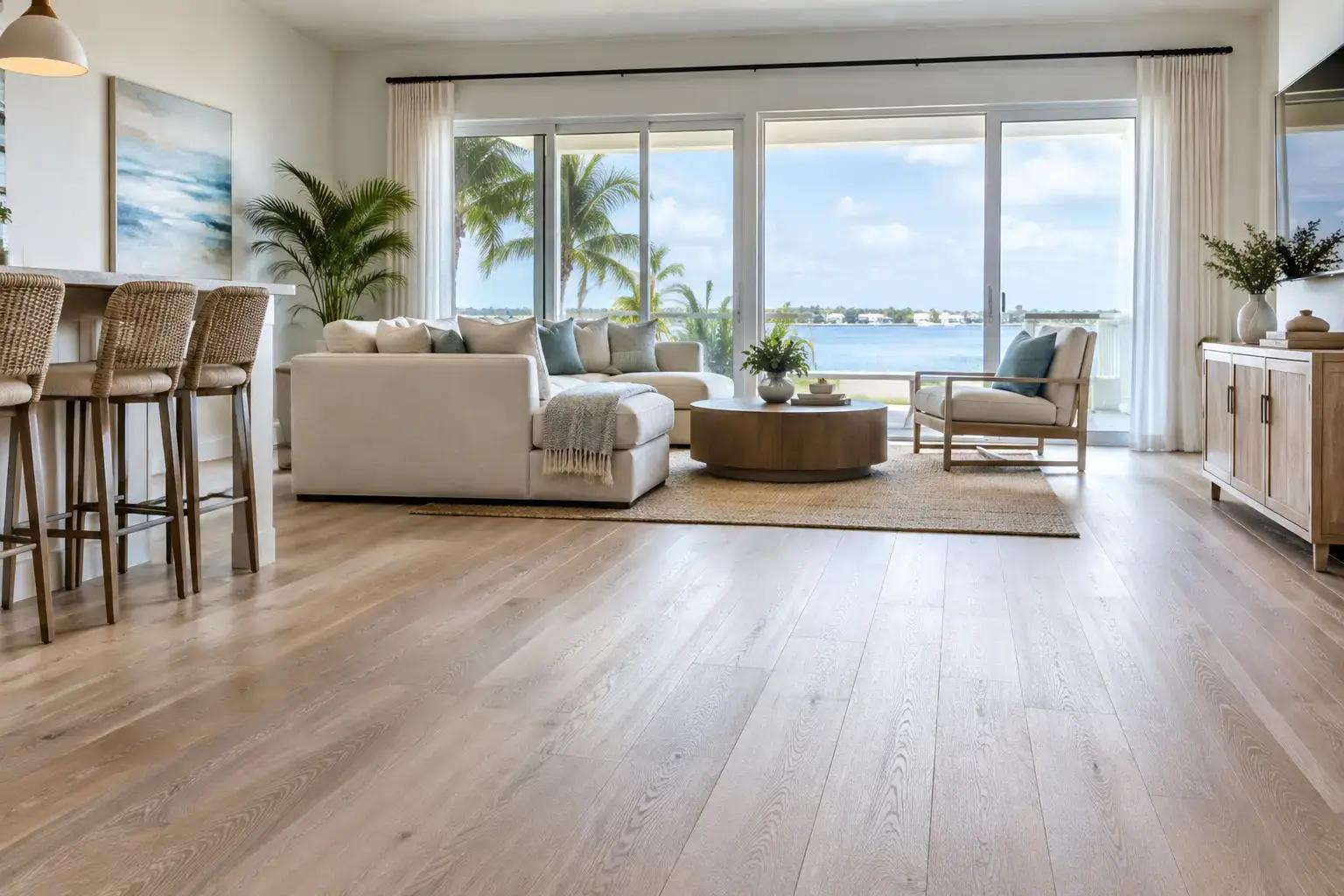
A beautiful floor can change the entire feeling of a home, but in Florida, it also has to work harder than it would in many other places. Humidity, sandy shoes, wet poolside traffic, pets, active families, and air-conditioning cycles all affect long-term performance. The best flooring for Florida homes is not simply the material that looks best in a showroom. It is the one that suits the room, the condition of the subfloor, the way your household lives, and the level of care you expect from the finished space.
For a whole-home renovation or a focused kitchen, bath, or living-area update, flooring should be chosen early. It influences cabinet finishes, paint colors, baseboards, door clearances, and how each room connects to the next. A thoughtful selection creates continuity while giving high-moisture spaces the protection they need.
What Makes Flooring Right for a Florida Home?
Florida homes benefit from flooring with strong moisture resistance, stable construction, and easy maintenance. Many residences are built on concrete slabs, which can retain or release moisture over time. That matters because a flooring material may look perfect on the surface while reacting poorly to conditions below it.
Durability is equally personal. A quiet condominium with two owners has different needs than a busy family home with children, a large dog, and frequent guests. A waterfront property may need more protection from sand and damp feet, while a formal dining room may prioritize a warmer, more tailored look.
The goal is not to make every room identical. It is to create a refined visual flow while using the right material where it matters most. In many Broward and Palm Beach County homes, porcelain tile or luxury vinyl plank provides a practical foundation, while engineered wood can bring warmth to selected low-moisture areas.
Porcelain Tile: A Leading Choice for Florida Floors
Porcelain tile remains one of the strongest answers when homeowners ask about the best flooring for Florida homes. It is dense, highly water-resistant, easy to clean, and available in finishes that range from understated stone looks to convincing wood-grain planks. It holds up well in kitchens, bathrooms, entryways, laundry rooms, and open living areas where indoor-outdoor traffic is common.
For homeowners who want a clean, tailored interior, large-format porcelain can make a room feel more expansive. Fewer grout lines create a calmer appearance, particularly in open-plan homes. A matte finish is often a smart choice for active spaces because it is less likely to show water spots, smudges, and light surface dust than a highly polished tile.
Tile does have trade-offs. It is harder underfoot than wood or resilient flooring, and it can feel cool, although that is often welcome in Florida. Installation also depends heavily on proper substrate preparation. Uneven concrete, cracked slab areas, poor layout planning, or narrow grout joints without adequate movement allowance can compromise even premium tile. Quality and detail in every project begin below the finished surface.
Consider the grout as carefully as the tile
Grout color has an outsized effect on the final design. A close match to the tile creates a more continuous look, while contrast emphasizes the pattern and grid. For busy homes, a mid-tone grout is often more forgiving than bright white. In wet areas, careful grout selection and sealing recommendations should be part of the material discussion, not an afterthought.
Luxury Vinyl Plank: Comfortable, Practical, and Versatile
Luxury vinyl plank, often called LVP, is a practical option for homeowners who want the appearance of wood with a softer feel underfoot. Quality products are water-resistant or waterproof at the surface, durable enough for everyday use, and available in a wide range of plank widths, tones, and textures.
LVP works especially well in bedrooms, family rooms, hallways, kitchens, and homes where a continuous wood-look floor is preferred without the maintenance concerns of natural hardwood. It is also quieter than tile, which can be valuable in condominiums, upstairs spaces, or homes where acoustic comfort matters.
Not every vinyl product is equal. Lower-grade material can look repetitive, feel thin, or telegraph imperfections from the subfloor. The wear layer, locking system, thickness, and attached pad all deserve attention. More importantly, the floor beneath it must be smooth and properly prepared. Vinyl plank can hide minor variation, but it cannot correct a failing or uneven substrate.
For a polished result, choose a plank with a believable texture and a color that works with the home’s natural light. Very gray flooring can make a warm, coastal interior feel flat, while overly yellow tones may compete with updated cabinetry. Natural oak, soft taupe, light walnut, and balanced medium-brown finishes tend to remain flexible as furnishings and paint colors change.
Engineered Wood: Warmth With the Right Limits
For homeowners drawn to authentic wood, engineered hardwood is generally a more practical choice than solid hardwood in Florida. Its layered construction offers greater dimensional stability than a solid plank, and it brings a richness that porcelain and vinyl imitate but cannot fully duplicate.
Engineered wood is best reserved for dry, climate-controlled rooms such as bedrooms, formal living areas, studies, and select dining rooms. It is not the first choice for bathrooms, laundry rooms, or areas that regularly receive wet feet. Even in appropriate rooms, it needs a moisture-conscious installation approach and consistent indoor climate control.
The quality of the veneer matters. A thicker real-wood wear layer offers more potential for future refinishing and usually gives the floor a more substantial appearance. Wide planks can look elegant in larger rooms, but they also make careful layout and moisture management more critical. Homeowners should understand that natural wood develops character over time. Small marks and color variation are part of the material, not necessarily a defect.
Natural Stone and Ceramic Tile: Where They Fit
Natural stone can create an exceptional look in a luxury renovation, particularly in foyers, powder rooms, feature spaces, or homes with a more traditional architectural style. Marble, travertine, and limestone bring genuine variation that manufactured products cannot duplicate. They also require a greater commitment to sealing, cleaning, and ongoing care.
Stone is not always the most forgiving choice for a high-traffic family room or a home where spills and sand are routine. Some stones etch, stain, or show wear more readily than porcelain. The right selection depends on whether the homeowner values patina or prefers a surface that stays visually consistent with minimal maintenance.
Ceramic tile can be an economical option for certain projects, but porcelain is often worth the investment for main living areas because of its density and durability. The best choice is not automatically the most expensive material. It is the material that delivers the desired appearance and performance for the specific room.
Plan the Floor Room by Room, Not Product by Product
A flooring decision becomes clearer when each area is evaluated by function. Bathrooms need reliable water resistance. Kitchens need easy cleanup and a surface that can withstand dropped cookware and daily activity. Bedrooms can prioritize comfort and warmth. Entry areas should tolerate sand, rain, and frequent cleaning without looking worn too quickly.
Transitions deserve the same attention as the main flooring. Ideally, rooms should connect with minimal height changes and without unnecessary threshold strips. A well-planned renovation considers floor thickness before cabinets, vanities, appliances, baseboards, and interior doors are finalized. This is especially important when combining tile with engineered wood or LVP.
For condominium owners, building requirements may also affect the decision. Some associations have sound-control standards for upper-level flooring and require approved underlayment documentation before work begins. Confirming those requirements early prevents material changes and delays once the project is underway.
Installation Details That Protect the Investment
Even excellent flooring can fail when installation is rushed. Before any material is installed, the concrete or wood subfloor should be inspected for levelness, cracks, moisture, and existing adhesive residue. Moisture testing is particularly valuable over concrete slabs, where hidden moisture can affect adhesives, wood products, and certain vinyl installations.
In bathrooms, the flooring decision should coordinate with shower waterproofing, vanity placement, toilet clearances, and floor transitions. In kitchens, it should account for appliance openings, island dimensions, and whether flooring will run beneath cabinets or stop at the cabinet base. These details determine how intentional the finished space feels.
Expansion gaps, proper adhesives, approved underlayments, and clean perimeter finishing are not visible in a completed room, but they are part of careful craftsmanship. They help flooring accommodate normal movement and make the result look finished from every angle.
Choose for the Home You Actually Live In
The strongest flooring choice balances visual ambition with daily reality. Porcelain is often the dependable all-around choice for Florida homes. Luxury vinyl plank offers comfort and versatility for many whole-home updates. Engineered wood adds authentic warmth when used thoughtfully in dry, conditioned spaces. Natural stone can be beautiful where its maintenance needs are understood.
A private in-home consultation gives homeowners the advantage of seeing samples alongside their cabinetry, wall color, furnishings, and natural light. Property Solutions FL LLC helps coordinate those choices with the full renovation scope, so the floor supports the finished home rather than becoming an isolated decision. Choose a material that feels right underfoot, performs confidently in its setting, and gives every room a more considered foundation.
Let's Talk About Your Project
Tell us what you have in mind and book your private design consultation. We will visit your property and prepare a proposal tailored to your home.
Book a Private Design ConsultationComplimentary Private Design Consultation. Limited to 15 consultations per month in Broward & Palm Beach County.
Offer terms